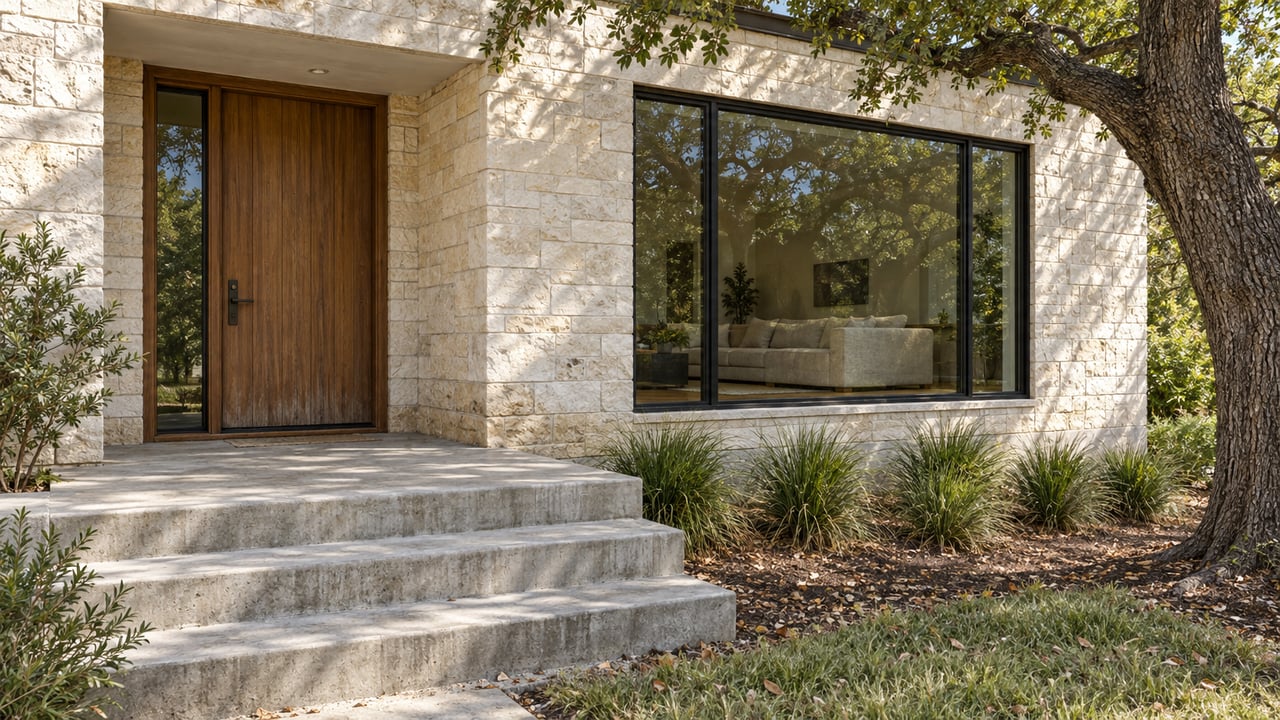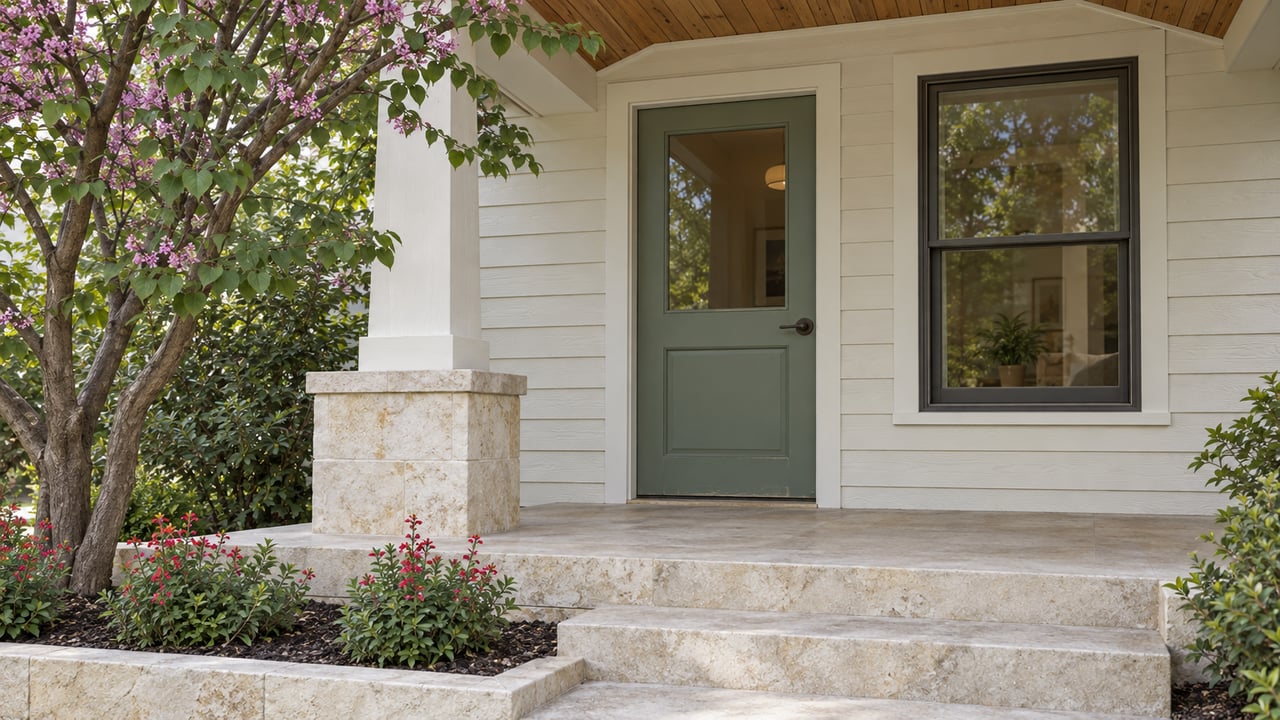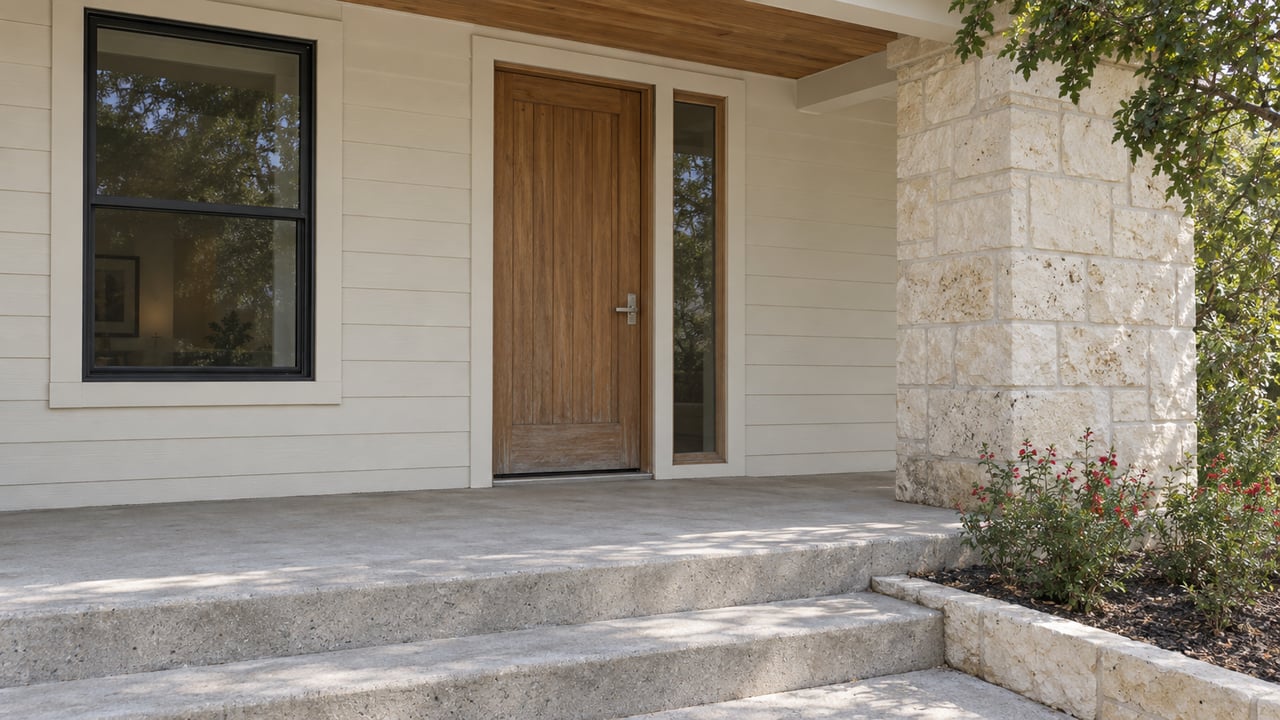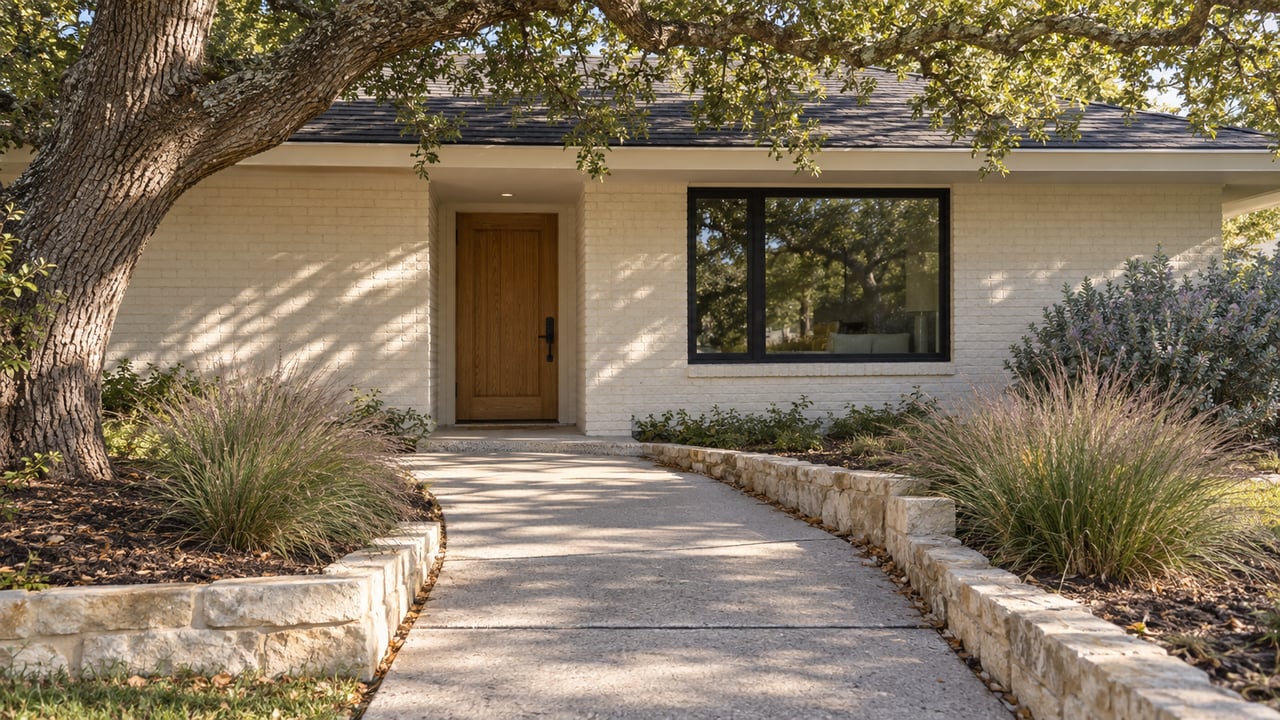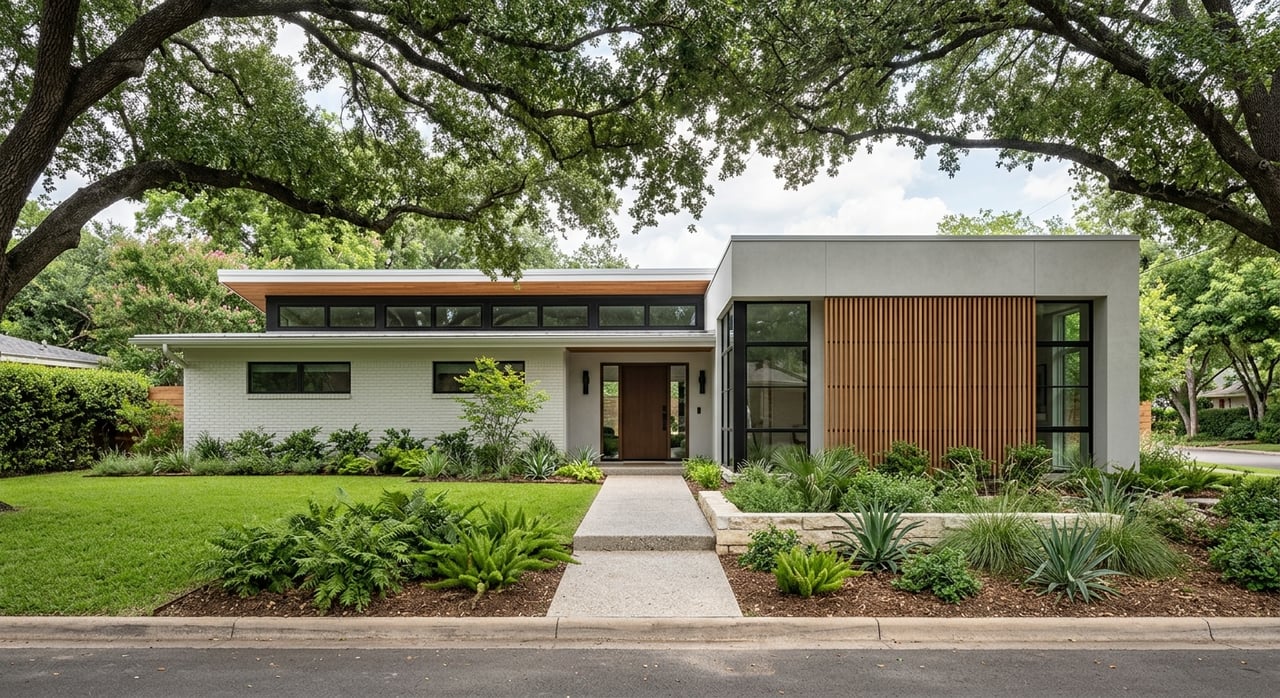
If you have ever driven through Barton Hills and felt like no two blocks tell exactly the same story, you are not imagining it. This is one of those Austin neighborhoods where original ranch homes, split-level remodels, and striking newer builds all live side by side, shaped by hills, trees, and a strong sense of place. If you are buying, selling, or simply trying to understand what gives this area its appeal, this guide will help you see how Barton Hills architecture has evolved and what that means for value today. Let’s dive in.
Why Barton Hills Architecture Stands Out
Barton Hills sits along Barton Creek in south Austin, and its setting is a big part of its architectural identity. According to the Barton Hills Neighborhood Association, the neighborhood is closely tied to nearby amenities like Barton Creek Greenbelt, Barton Springs Pool, Zilker Park, and Zilker Botanical Garden.
That context matters because homes here were not built in a vacuum. Mature trees, sloped lots, and strong indoor-outdoor connections show up again and again in the neighborhood’s design, from original mid-century homes to newer custom construction.
How Barton Hills Began
Barton Hills has deep roots in Austin’s postwar growth. The neighborhood was platted in six sections beginning in 1956, with 1,585 planned lots across 535 acres, and it was featured in Austin’s 1956 Parade of Homes as the city’s “world’s largest air-conditioned subdivision,” according to the BHNA neighborhood history.
That origin still shapes how Barton Hills feels today. Rather than reading as a fully redeveloped neighborhood, it still reflects its 1950s framework, with original homes, renovated properties, additions, and rebuilds layered over time.
The Original Mid-Century Character
Ranch homes set the tone
The most common early home type in Barton Hills is the postwar ranch. As noted by ArchDaily, the neighborhood developed in the 1950s with many ranch-style homes, often stretched low across the lot and clad in rugged limestone veneer.
These homes helped define the area’s visual rhythm. They tend to feel grounded, horizontal, and connected to the land, which fits a neighborhood with rolling topography and a heavy tree canopy.
Split-level homes fit the hills
Barton Hills also includes many split-level homes, especially on sloped sites. That form made practical sense in a hilly neighborhood, and it still does.
Today, split-level homes are often the basis for major renovations and additions. In Barton Hills Addition, ArchDaily highlights how a renovation used the site’s western slope as a design advantage rather than treating it like a problem to solve.
Stenger homes are the standout originals
Among the neighborhood’s most distinctive homes are those associated with A.D. Stenger. The BHNA history page notes that early homes along Rundell and Airole Way were built by Stenger in a contemporary style influenced by Frank Lloyd Wright’s Prairie tradition.
These homes are especially notable for their gently sloping roofs, clerestory windows, and strong indoor-outdoor relationships through decks and terraces. If you are drawn to original design character, these homes often represent some of the clearest examples of Barton Hills’ architectural DNA.
How Barton Hills Evolved
Remodels and additions are a big part of the story
One of the most interesting things about Barton Hills is that it has not moved in just one direction. Many homes have been updated rather than replaced, which creates a more layered and nuanced streetscape.
A helpful example is Stenger No. 2 from AIA Austin. The project updated a 1951 Stenger residence by preserving key original details while adding modern features, showing how owners can keep architectural character while improving day-to-day function.
For many buyers, this middle ground is especially appealing. You get some of the charm and scale of an older home, but with a layout and systems that better support current living patterns.
New homes often borrow from the past
At the same time, Barton Hills has welcomed newer custom homes that take cues from mid-century design without turning into replicas. These homes often use low or angular rooflines, clerestory windows, natural materials, and outdoor living spaces to stay visually connected to the neighborhood’s older fabric.
ArchDaily’s Ridgeview House is a strong example. Built on a three-quarter-acre Barton Hills lot, it features an angular roofline, clerestory windows, and a strong indoor-outdoor connection that feels in step with the neighborhood’s setting.
Another example is AIA Austin’s Barton Hills Brickhouse, a new-construction home on a quarter-acre lot that uses durable materials, stepped terraces, and outdoor rooms. Projects like these show how newer homes in Barton Hills often try to balance modern livability with compatibility in scale, materials, and site response.
What Buyers Should Notice
If you are shopping in Barton Hills, architecture is not just about style. It also affects layout, maintenance, energy performance, privacy, and how a home relates to the lot.
A useful way to think about the neighborhood is in three broad categories:
- Original homes that offer authenticity and architectural character, but may need updates to layout, systems, or efficiency
- Thoughtful remodels and additions that preserve much of the neighborhood feel while improving function
- New construction or custom rebuilds that often deliver turnkey living, modern finishes, and fewer near-term repairs
Each option appeals to a different type of buyer. If you value originality and are comfortable with a project, an untouched or lightly updated mid-century home may feel like the right fit. If you want a smoother move-in experience, a remodeled or newer home may offer more immediate ease.
What Sellers Should Understand
If you own a home in Barton Hills, your property’s architectural story can be a real advantage. Buyers here often look beyond square footage alone and pay close attention to lot orientation, mature trees, outdoor connection, and whether updates respect the home’s setting.
That means presentation matters. A well-marketed original home can attract buyers looking for character, while a remodeled or rebuilt property may appeal to buyers prioritizing convenience and modern function. In either case, clear positioning helps buyers understand what makes your home fit Barton Hills so well.
Architecture and Home Values
Barton Hills sits in a premium segment of the Austin market. According to Zillow’s Barton Hills home values page, the neighborhood’s typical home value was $855,868 as of February 28, 2026, down 4.1% year over year.
The same research report notes that Realtor.com listed a median listing price of $1,687,000, while Unlock MLS reported a January 2026 median sale price of $522,500 for the City of Austin and $445,000 for Travis County. Even though those are different pricing metrics, the gap points to Barton Hills as a neighborhood that commands a meaningful premium.
That premium is not about architecture alone. It is also tied to scarcity, location, and access to outdoor amenities, but design still plays an important role in how buyers evaluate value here.
Why Design Matters in Barton Hills
In many neighborhoods, newer automatically wins. Barton Hills is more nuanced than that.
Here, buyers often place real value on how a home sits on the lot, how it handles topography, and whether it connects naturally to outdoor space. An original ranch with strong character may compete well with a larger remodeled home if the site, layout potential, and architectural integrity are compelling.
That is why Barton Hills rewards a more careful read. The best choice is not always the newest home. It is often the one that best matches your priorities for character, condition, livability, and long-term value.
Choosing the Right Fit
Whether you are buying or selling, Barton Hills is a neighborhood where architectural details matter more than they might at first glance. A low-slung ranch, a split-level renovation, or a modern custom build can all make sense here, but each tells a different story and speaks to a different buyer.
If you want help evaluating what makes a Barton Hills home stand out, or how to position one effectively in today’s market, The Holm Team offers personalized guidance backed by deep central Austin market knowledge and a concierge-level approach.
FAQs
What architectural styles are most common in Barton Hills, Austin?
- The most common original styles in Barton Hills are ranch homes and split-level homes from the 1950s, along with a smaller group of contemporary A.D. Stenger homes known for low roofs, clerestory windows, and indoor-outdoor design.
What makes A.D. Stenger homes in Barton Hills unique?
- According to the Barton Hills Neighborhood Association, Stenger homes in Barton Hills stand out for their contemporary design, Prairie-style influence, gently sloping roofs, clerestory windows, and strong connections to decks and terraces.
Are Barton Hills homes mostly original or renovated?
- Barton Hills includes a mix of original homes, remodeled properties with additions, and newer custom homes, which gives the neighborhood its layered architectural character.
How do sloped lots affect Barton Hills home design?
- Sloped lots have shaped many homes in Barton Hills, especially split-level properties and renovations that use grade changes to create more functional layouts and stronger connections to the landscape.
Is Barton Hills considered a high-value Austin neighborhood?
- Yes. The research provided shows Barton Hills home values and listing prices sit well above broader Austin and Travis County pricing benchmarks, reflecting the area’s location, limited supply, and lifestyle appeal.