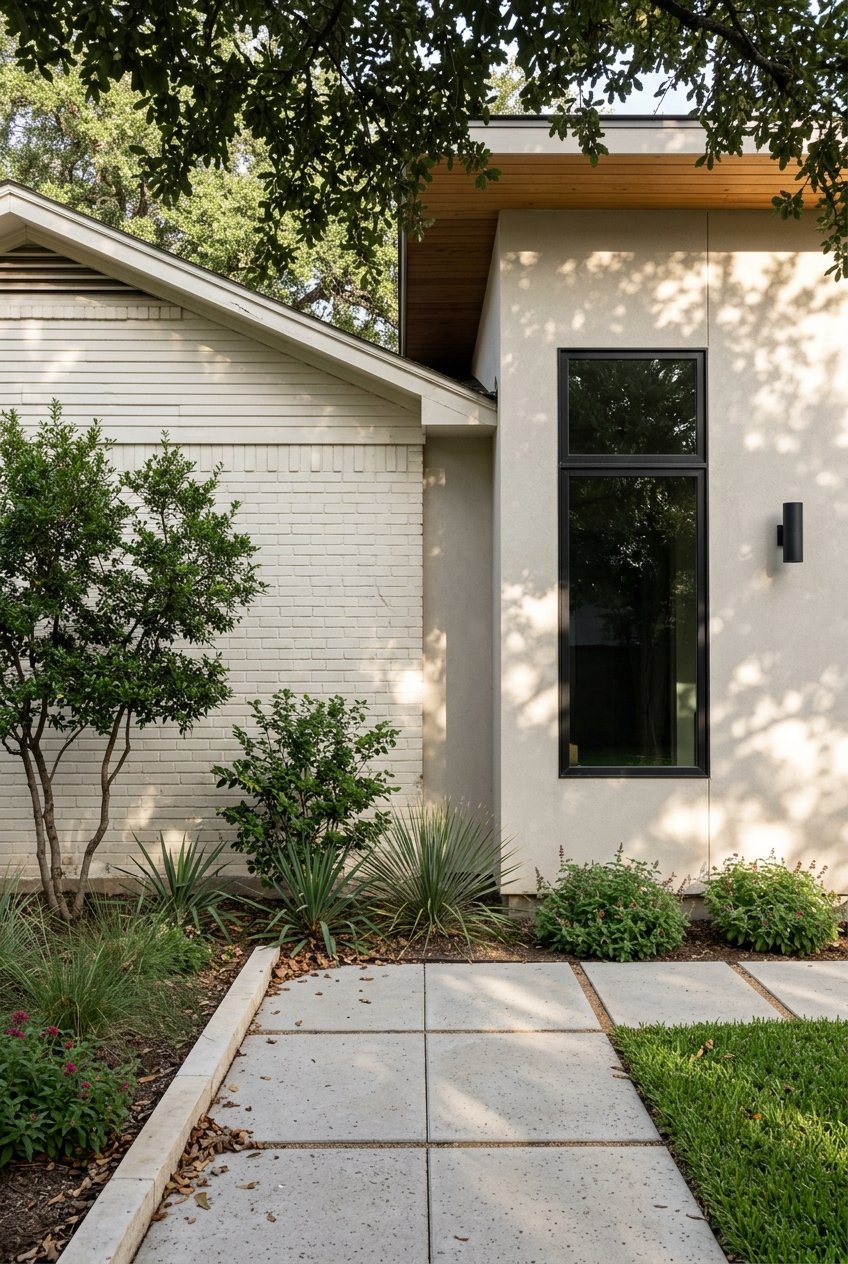
You can love a Tarrytown address and still feel stuck on the house itself. Should you update what is already there, expand it, or start over? In a neighborhood where mature trees, older homes, and lot-specific constraints all matter, that choice is rarely simple. This guide will help you weigh renovation versus rebuild in Tarrytown so you can move forward with more clarity and fewer surprises. Let’s dive in.
Why Tarrytown changes the equation
Tarrytown is one of Austin’s early suburban neighborhoods, with the first subdivision platted in 1934 and additional development continuing through the 1950s. The City of Austin’s Central West Austin neighborhood plan also points to the area’s long-standing identity around mature trees and neighborhood character. That history matters because your decision is not just about adding square footage. It is also about how a project fits the lot, the block, and the site itself.
That local context can affect both design and resale. In May 2026, Tarrytown’s median listing price was $1.725 million, with a median of 51 days on market, and homes selling for about asking on average. In other words, buyers are willing to pay for quality, but they are also comparing your finished product against the cost, time, and inconvenience of doing their own project.
When renovation makes more sense
A solid house is already in place
Renovation is often the better path when the home has good bones and a workable layout. If you can improve flow, finishes, and functionality without pushing hard against city limits, a renovation may offer a cleaner process. That is especially true when the existing structure already sits well on the lot.
Austin’s zoning review looks at factors like height, setbacks, floor-area ratio, neighborhood compatibility, landscaping, screening, and impervious cover. If your goals fit within those rules without major redesign, renovation can be more efficient than rebuilding from scratch. It can also reduce the risk of a project growing larger and more complicated than planned.
Mature trees are a major factor
In Tarrytown, trees can shape the whole decision. Austin regulates several tree classes on private property, including Protected Trees and Heritage Trees. On residential property, regulated trees require a permit if they are removed, pruned by 25% or more, or otherwise impacted in the critical root zone.
That means a design that looks simple on paper may become far more expensive if it disrupts root zones or requires mitigation. If your lot has mature trees that define the property and limit construction areas, renovating around them may be the smarter move. In many Tarrytown projects, tree preservation is not a side issue. It is central to the feasibility of the plan.
You want more control over scope
Project timing also matters. Starting July 1, 2026, Austin lists residential plan review timing at 5 business days for interior remodels and demolitions, compared with 10 business days for new construction and additions. While review time is only one part of the process, a smaller renovation can still feel more manageable if you are trying to limit disruption and hold the line on costs.
The city also notes that if a project grows beyond a small-project scope, the plan review must be withdrawn and resubmitted under the New Construction and Addition Permit Application. That makes it important to define the project clearly at the start. If your needs can be met through a focused renovation, that path may help you avoid added entitlement risk.
When a rebuild or major addition may be better
The house cannot support your goals
Sometimes the existing home is simply too compromised or too constrained to justify a renovation. If structural issues are significant, room sizes are difficult to fix, or the layout would require extensive reworking, the project can start to function more like a teardown than a remodel. At that point, a rebuild or major addition may offer a better return on time and money.
This is especially true when you are removing so much of the home that the distinction between remodel and rebuild starts to fade. In practical terms, once your project reaches that level, it may make more sense to plan for a larger process from the beginning rather than force a renovation label onto a rebuild-scale scope.
Demolition rules come into play
Austin’s demolition rules matter more than many owners expect. Total demolitions require a demolition permit. The city also says that additions or remodels removing more than 50% of exterior walls must comply with demolition notification requirements.
That threshold is important because it can change how the city views the work. If your “remodel” needs major exterior-wall removal, you should evaluate it as a demolition-heavy project from day one. That can affect timing, documentation, and overall strategy.
The lot can support more house
A rebuild or major addition can make sense when the lot has capacity for a larger or better-designed home without overbuilding the site. Austin requires zoning review for new construction, additions, remodels, and residential-use changes. Site development may also trigger review related to drainage, floodplain, water quality, transportation, erosion control, utilities, and tree mitigation or protection.
So the question is not just whether you want more house. The real question is whether you can add that space legally and efficiently on this specific lot. In Tarrytown, lot-by-lot differences can be significant, which is why broad assumptions rarely hold up.
Historic review can change your options
Older homes need extra review
Because many Tarrytown homes are older, historic review deserves early attention. Austin requires historic review for structures that are 45 years old or older when exterior elements are being demolished or modified. Historic review is also required for properties in National Register historic districts, H-zoned landmarks, and HD historic districts.
If a home is designated historic, exterior changes and new construction on that property also require review. That does not automatically mean you cannot renovate or rebuild. It does mean your path may be more layered than expected.
Verify the property before you plan
One of the biggest mistakes owners make is assuming a property has no historic implications because it does not look formally designated. In an older neighborhood, that assumption can slow a project later. Before committing to a concept, verify whether the address appears in the Historic Property Viewer or related historic survey records.
This step matters even if Tarrytown itself is not uniformly governed by a local historic district. Individual-property designations and nearby historic-review rules can still affect what is possible. A quick early check can save time and redesign costs.
The due diligence checklist for Tarrytown
Start with the lot and legal framework
Before you choose renovation, addition, or rebuild, confirm the legal lot, survey, and any deed restrictions or restrictive covenants. The city notes that property-specific restrictions may affect what can be built. That means your project is shaped by more than zoning alone.
You should also verify setbacks, impervious cover, compatibility rules, and any overlays tied to the site. These items can change the buildable envelope in ways that are not obvious at first glance.
Check trees, utilities, and site conditions
Next, inventory regulated trees and root zones as early as possible. If tree impacts appear likely, budget for arborist review, redesign, and possible mitigation. In a neighborhood known for mature canopies, this can influence everything from footprint to driveway placement.
You should also screen for floodplain, drainage, utility issues, driveway or right-of-way constraints, and water-tap concerns. These site issues can trigger additional city review and can materially affect feasibility, cost, and timeline.
Be honest about project scope
If the project may remove most of the exterior wall system, treat it as a demolition-heavy scope from the start. That approach gives you a more realistic framework for planning. It also helps avoid the frustration of beginning as a remodel only to discover the city process now resembles new construction.
In Tarrytown, the overlap of zoning, tree rules, historic review, and demolition requirements can expand quickly. A clear-eyed scope definition early on usually leads to a better outcome.
How resale should factor into the decision
Buyers are judging execution
In Tarrytown, resale is rarely a simple old-versus-new debate. Buyers tend to focus on whether the finished home feels right for the lot, the street, and the price point. Scale, quality, layout, and site character all play a role.
That matters in a market where the median listing price was $1.725 million in May 2026 and median market time was 51 days. Strong execution can attract attention, but overbuilding and under-improving are both real risks. A project should make sense not just to you, but also to the next buyer.
Local comps matter more than city averages
Broader Austin market data provide context, but they should not drive this decision on their own. Unlock MLS reported 12,508 active listings and 4.7 months of inventory across Central Texas in May 2026, while the City of Austin’s median residential price in that same report was $390,000. Tarrytown operates in a very different price band.
That gap is a reminder to stay hyper-local. Renovation and rebuild decisions in Tarrytown should be grounded in neighborhood comps, current buyer expectations, and the realities of that specific lot. This is where experienced local guidance can protect both your upside and your timeline.
A practical way to make the call
If the home has solid structure, a workable layout, and a lot constrained by trees or site rules, renovation may be the stronger play. If the structure is compromised, the layout is beyond practical repair, or the scope triggers demolition-like review anyway, rebuilding or pursuing a major addition may be the better answer. In either case, the smartest first step is not guessing. It is understanding the lot, the rules, and the resale implications before you commit.
In a neighborhood like Tarrytown, details drive value. If you want help evaluating a property, identifying likely constraints, and understanding how the home may perform in today’s market, The Holm Team can help you make a well-informed call with local insight and a concierge-level approach.
FAQs
What makes renovate or rebuild decisions different in Tarrytown?
- Tarrytown’s older housing stock, mature trees, and neighborhood character often make the decision more complex than in newer areas, especially when zoning, tree rules, and site fit all affect the project.
When is renovating a Tarrytown home usually the better choice?
- Renovation is often the better option when the house has sound structure, a workable floor plan, and a lot configuration that allows updates without major conflicts with setbacks, tree protections, or other city requirements.
When should you consider rebuilding a Tarrytown property instead of remodeling?
- Rebuilding may make more sense when the home has major structural issues, the layout cannot realistically meet your goals, or the scope involves so much exterior-wall removal that it begins to function like a demolition project.
How do tree rules affect a Tarrytown renovation or rebuild?
- Austin regulates certain private-property trees, including Protected Trees and Heritage Trees, and permits may be required for removal, major pruning, or impacts within the critical root zone, which can affect design, cost, and feasibility.
Do older Tarrytown homes need historic review before exterior work?
- They may, because Austin requires historic review for structures 45 years old or older when exterior elements are modified or demolished, as well as for certain designated historic properties and properties in historic districts.
What should you verify before choosing a renovation or rebuild plan in Tarrytown?
- You should confirm the survey, legal lot, deed restrictions or covenants, zoning, setbacks, impervious cover, historic status, regulated trees, and any drainage, floodplain, utility, driveway, or right-of-way issues before finalizing a direction.
How should resale influence a Tarrytown renovation or rebuild decision?
- Resale should be a major factor because buyers in Tarrytown often compare project quality, site fit, and overall execution closely, so the best choice is usually the one that aligns with neighborhood expectations and local comparable sales.