If you love the idea of living close to downtown Austin but do not want a cookie-cutter neighborhood, Hyde Park probably lands on your shortlist fast. For many first-time buyers, though, the charm comes with real trade-offs around price, upkeep, and renovation rules. This guide will help you understand what Hyde Park offers, where the compromises usually show up, and how to think about pricing before you make a move. Let’s dive in.
Why Hyde Park draws first-time buyers
Hyde Park stands out because it blends central Austin convenience with historic character. The neighborhood dates back to 1891 and developed around streetcar access to downtown, which still shapes its connected, neighborhood-serving feel today.
The City of Austin describes Hyde Park as a historic district with a largely residential core and commercial structures woven into the neighborhood fabric. That mix is a big part of the appeal if you want a location that feels established, lived-in, and close to daily essentials.
For first-time buyers, the biggest draw is often lifestyle. You are buying into a central neighborhood with older homes, mature streetscapes, and a walkable, bike-friendly identity that feels different from newer parts of Austin.
Hyde Park housing options
Historic homes are a major part of the market
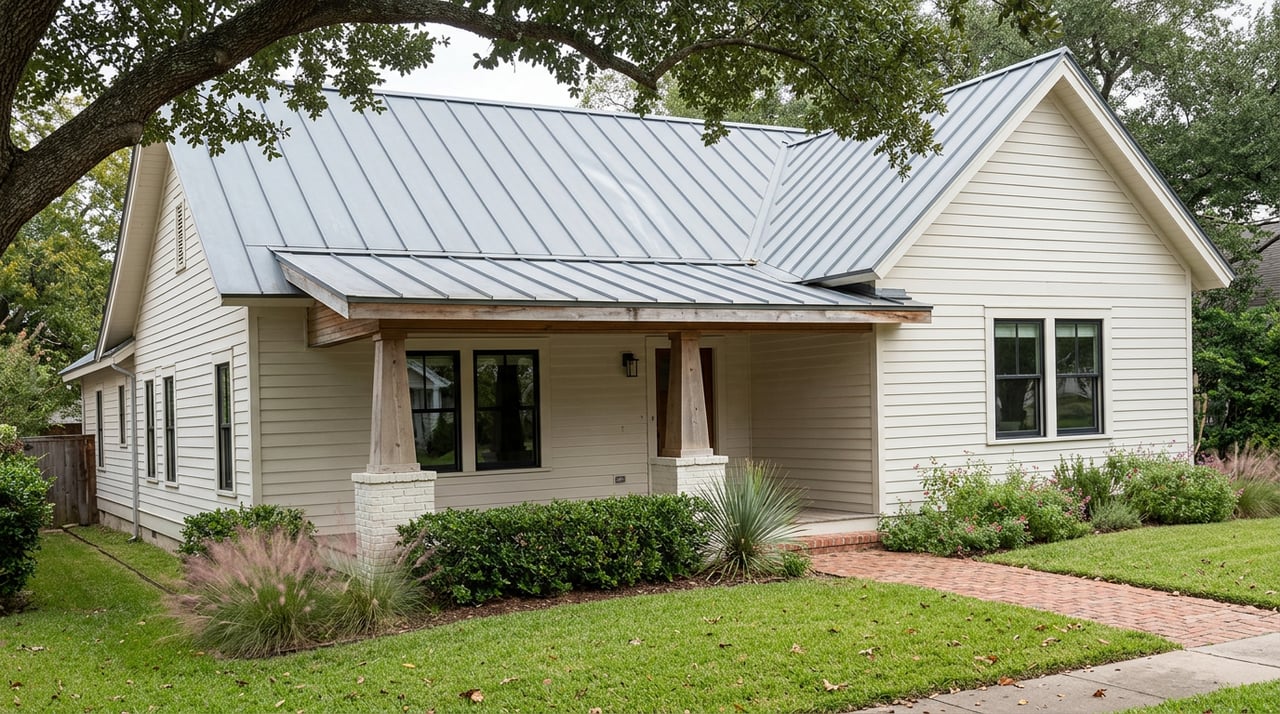
Hyde Park has one of Austin’s largest concentrations of historic homes. The district’s period of significance runs from 1892 to 1960, and the City says 87% of district resources were built during that time.
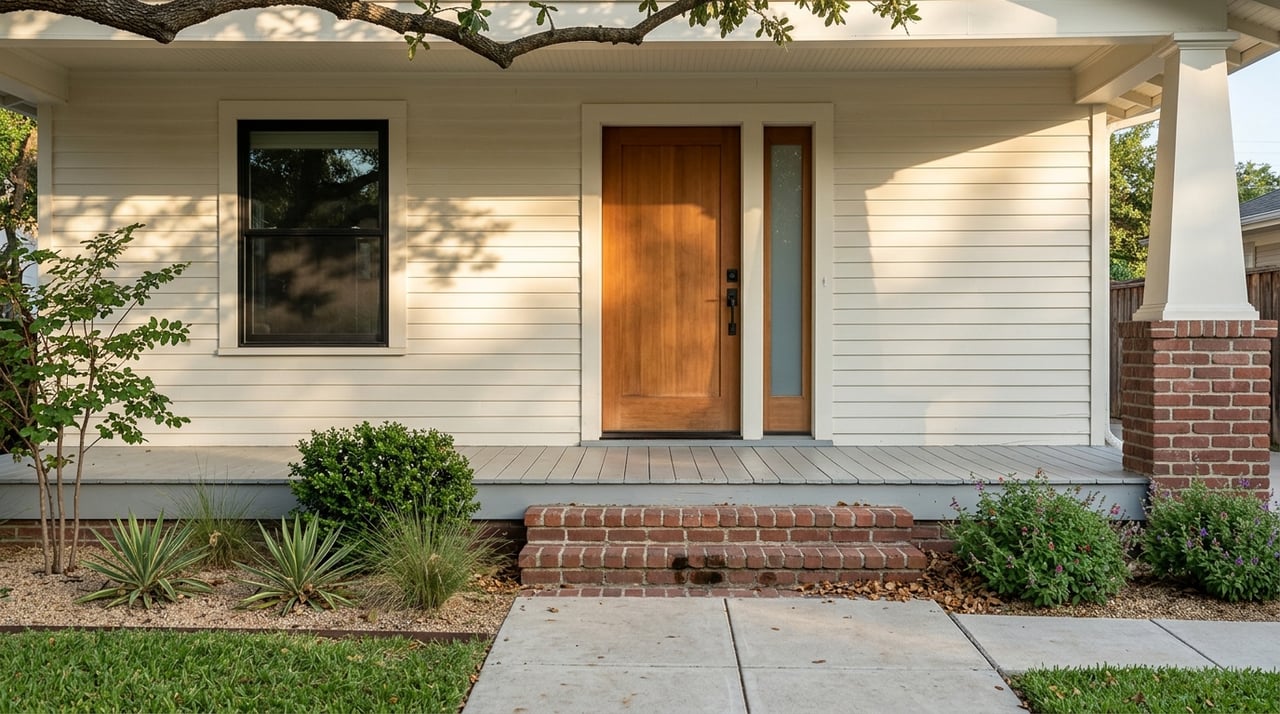
The Texas Historical Commission identifies architectural styles like Queen Anne, Bungalow/Craftsman, and Tudor Revival in the district. In practical terms, that means many buyers picture cottages, bungalows, and character-filled older homes when they think about Hyde Park.
Inventory is more varied than many buyers expect
While detached historic homes get most of the attention, the broader neighborhood includes more than that. A city-hosted resident white paper describes duplexes, accessory dwelling units, small multiplexes, condominiums, and more than 45 apartment complexes in the area.
That matters if you are a first-time buyer trying to break into central Austin. Hyde Park is not only a neighborhood of classic single-family homes. You may also find smaller or attached options that create different entry points, depending on your budget and goals.
Hyde Park pricing for first-time buyers
Expect a premium for location
Hyde Park is typically a stretch market for first-time buyers, not a low-cost starter neighborhood. Zillow’s Hyde Park home value index was $715,856 on April 30, 2026, with a median list price of $610,333 and 36 homes for sale.
Redfin’s March 2026 neighborhood median sale price was $825,000. These numbers measure different things, so they should not be treated as interchangeable, but together they show the same theme: Hyde Park pricing sits well above many buyers’ first-home comfort zone.
For added context, Zillow’s Austin-wide typical home value was $508,530. Using those Zillow figures, Hyde Park sits about $207,000 higher, or roughly 41% higher, than Austin overall on a typical-value basis.
Entry-level in Hyde Park often means compromise
Current listing examples help show what that looks like on the ground. Redfin examples included a 988-square-foot 3-bedroom, 1-bath bungalow listed at $524,500, a 1,235-square-foot 3-bedroom, 1-bath home at $675,000, and a remodeled duplex at $1.25 million.
For you as a first-time buyer, that usually means the lower end of Hyde Park comes with trade-offs. You may need to accept a smaller home, an older floor plan, fewer updates, or a property that needs ongoing maintenance compared with newer Austin neighborhoods.
Pros of buying in Hyde Park
Central Austin access
One of Hyde Park’s biggest strengths is location. Its history as a streetcar neighborhood points to the same benefit buyers value now: easier access to central Austin destinations compared with neighborhoods farther out.
If your priority is being close to downtown, the University of Texas area, and established city amenities, Hyde Park checks that box. That central convenience is a major reason buyers continue to compete for homes here.
Distinctive character
Many first-time buyers want a home with personality, not just a place to sleep. Hyde Park’s older homes, historic fabric, and neighborhood pattern give it a sense of place that can be hard to find in more recently built areas.
That character also extends beyond individual houses. The City notes commercial buildings are woven into the neighborhood fabric, which helps create the local retail and dining feel many buyers want.
Walkable and bike-friendly feel
Hyde Park’s lifestyle appeal is not just about architecture. The City of Austin describes neighborhood bikeways as low-speed local streets intended to be safer and more comfortable for bicycling and walking, and Hyde Park has ongoing pedestrian and crossing improvements near Shipe Park and 45th/Guadalupe.
That does not mean every trip will feel effortless, but it does mean mobility is part of the neighborhood’s identity. If you value a more connected daily routine, Hyde Park offers that more readily than many auto-oriented neighborhoods.
Neighborhood amenities with a local feel
Shipe Neighborhood Park, located at 4400 Avenue G, adds a simple but meaningful amenity within the neighborhood. For many buyers, access to a local park supports the everyday appeal of living in Hyde Park.
The neighborhood’s commercial fabric also contributes to that experience. Instead of feeling purely residential, Hyde Park has a built-in local-serving pattern that supports a more layered lifestyle.
Cons of buying in Hyde Park
Higher monthly carrying costs
The purchase price is only part of the affordability picture. Property taxes matter in Hyde Park because homeowners typically pay across multiple local taxing entities.
The City of Austin’s FY 2025-26 property tax rate is $0.574017 per $100 of taxable value, Travis County’s FY 2026 adopted rate is $0.375845 per $100, and Austin ISD lists a proposed FY 2026 total school rate of $0.9252 per $100. Those numbers can have a meaningful impact on your monthly budget.
Homestead exemptions can help reduce that bill if the home is your primary residence. Travis County offers a 20% homestead exemption with a $5,000 minimum, the City of Austin also offers a 20% homestead exemption with a $5,000 minimum, and Austin ISD lists a $100,000 homestead exemption.
Older-home maintenance
Older homes can be rewarding, but they often require a different mindset than newer construction. In Hyde Park, the age of the housing stock and the neighborhood’s historic design character often translate into more maintenance awareness over time.
That does not mean every home is a project. It does mean first-time buyers should be realistic about upkeep, repairs, and the cost of maintaining an older property.
Exterior renovation limits
Hyde Park offers renovation flexibility, but not total freedom. The preservation plan says interior remodels generally do not require review, while exterior and site changes do.
The Hyde Park NCCD also regulates items like setbacks, driveways, garages, building coverage, height, and facades. If you want to substantially change the outside of a home, you need to understand those rules early.
Parking and lot constraints
Parking can be part of the trade-off in Hyde Park. The design standards treat certain driveway and parking patterns as character-defining and discourage front circular drives.
Combined with older lot layouts, that can make parking and site planning less straightforward than in a newer subdivision. For some buyers, that is a small trade for central location. For others, it is a daily quality-of-life factor worth weighing carefully.
How to decide if Hyde Park fits you
Hyde Park tends to work best if you are buying for location and lifestyle first. If your goal is central Austin access, historic charm, and a walkable or bike-friendly setting, the neighborhood may justify the higher price point.
It may be a less natural fit if your top priorities are the lowest possible entry price, brand-new construction, or maximum freedom to redesign the exterior of the home. In that case, another Austin neighborhood may offer better alignment with your budget and expectations.
A smart approach is to define your non-negotiables before you shop. Think about your monthly payment comfort level, tolerance for maintenance, need for parking, and whether historic character is a bonus or a requirement.
A practical first-time buyer lens
For most first-time buyers, Hyde Park is not about finding the cheapest path into homeownership. It is about deciding whether the neighborhood’s central location, historic appeal, and daily lifestyle benefits are worth the extra cost and compromise.
That is why local guidance matters here. The right strategy is often less about seeing every listing and more about quickly identifying which homes match your budget, condition tolerance, and long-term plans.
If you are weighing Hyde Park against other central Austin neighborhoods, The Holm Team can help you compare options, understand the trade-offs, and build a buying plan that protects your budget and your upside.
FAQs
Is Hyde Park in Austin affordable for first-time buyers?
- Hyde Park is usually more of a budget stretch than a low-cost starter market. Zillow’s April 30, 2026 home value index for Hyde Park was $715,856, compared with Austin’s typical home value of $508,530.
What types of homes can first-time buyers find in Hyde Park?
- Buyers often see historic bungalows, cottages, and older detached homes, but the broader neighborhood also includes duplexes, ADUs, small multiplexes, condominiums, and apartment properties.
Do Hyde Park homes in Austin have renovation restrictions?
- Yes. The preservation plan says interior remodels generally do not require review, but exterior and site changes do, and the Hyde Park NCCD regulates features like setbacks, garages, driveways, height, and facades.
Why do buyers pay more for Hyde Park in Austin?
- Buyers are often paying a premium for central Austin access, historic character, and a neighborhood fabric that blends residential streets with local-serving commercial uses.
What are the main downsides of buying in Hyde Park?
- The biggest trade-offs are higher prices, potentially higher carrying costs, older-home maintenance, parking and lot constraints, and more limits on exterior changes than you would see in many newer neighborhoods.