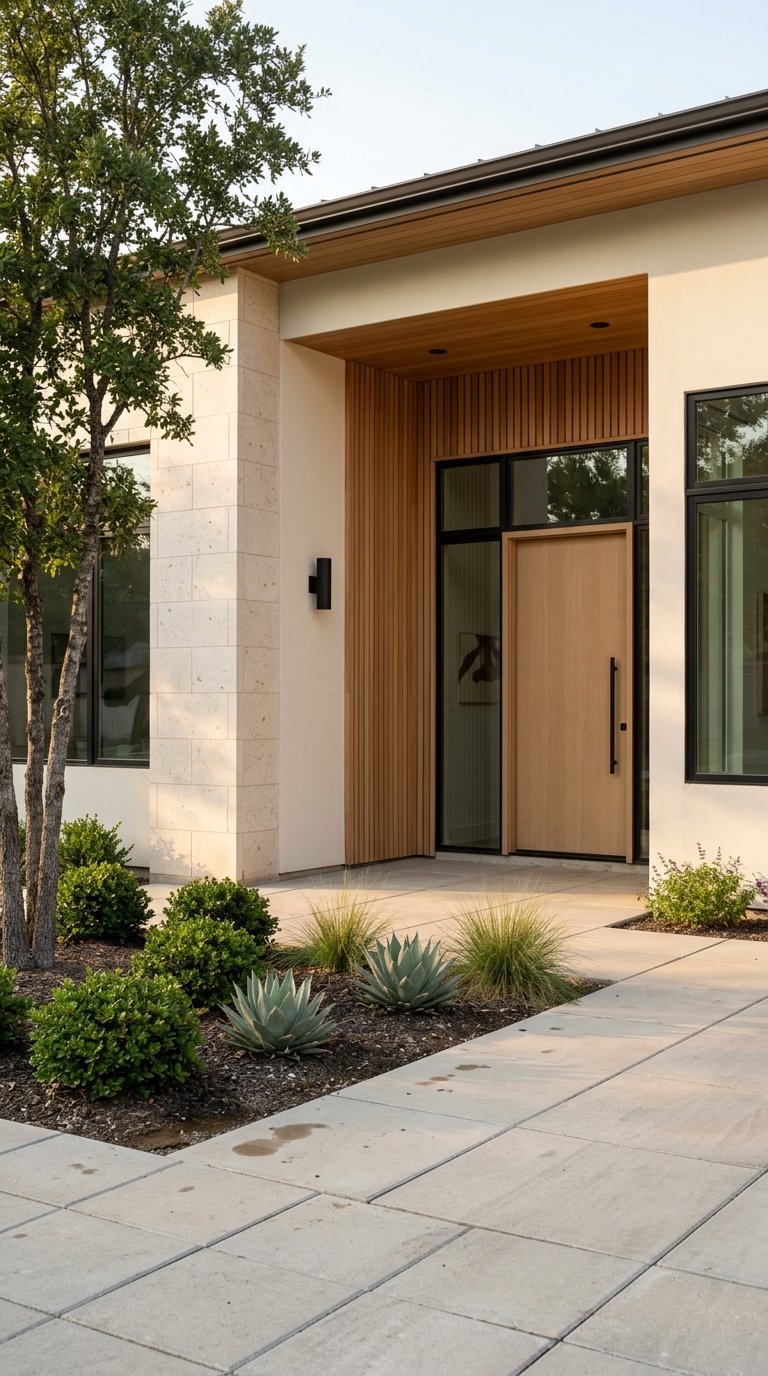
Trying to choose between Westlake and Tarrytown? You are not alone. Both are iconic Austin luxury enclaves, but they deliver very different daily experiences. If you are deciding where your money, time, and lifestyle fit best, this guide will help you compare privacy, commute, home style, and neighborhood feel so you can narrow the choice with confidence. Let’s dive in.
Start With the Lifestyle Question
The fastest way to separate Westlake from Tarrytown is to ask what you want your day-to-day life to feel like.
Westlake, meaning West Lake Hills and the adjacent west Austin luxury terrain in this comparison, leans toward a quieter, more tucked-away experience. The setting is hilly, heavily wooded, and intentionally low density. Tarrytown feels more central and established, with a stronger neighborhood rhythm shaped by its street network, local destinations, and closeness to Lake Austin and downtown.
If you want your home to feel like a retreat, Westlake often rises to the top. If you want luxury with a more connected in-town feel, Tarrytown usually makes more sense.
Westlake at a Glance
West Lake Hills is a small incorporated city on the west bank of Lake Austin, just a few miles west of downtown Austin. It spans about four square miles and includes rugged hills, dense foliage, and elevations ranging from roughly 500 feet to more than 900 feet above sea level.
That terrain shapes everything. The city’s planning priorities focus on preserving rural character, natural vegetation, scenic quality, and privacy. In practical terms, that creates a luxury environment defined by larger setbacks, lower visibility from the street, and a more secluded residential feel.
What Westlake Homes Tend to Offer
Westlake’s housing pattern strongly favors low-density living. In core residential areas, the city plan limits development to single-family detached homes on minimum one-acre lots in Area 1, with additional controls meant to reduce visibility and preserve the landscape.
That matters if you are looking for:
- Larger lots
- More separation from neighbors
- Estate-style settings
- Hill Country views
- A quieter, car-oriented lifestyle
Some micro-locations feel especially private. The hilly area north of Bee Cave Road and northwest of Westlake Drive is described in the city plan as difficult for centralized sewer service, which helps reinforce the area’s low-density, estate-like character.
What Westlake Feels Like Day to Day
Westlake is better described as nature-forward than neighborhood-center driven. Bee Cave Road serves as the primary commercial corridor, but the overall experience is not built around a dense main street pattern.
Instead, the appeal comes from topography, privacy, and access to natural surroundings. The city supports the Wild Basin Wilderness Preserve along its northern boundary, and the area generally suits buyers who value quick access to outdoor space and do not mind driving for most daily errands.
Tarrytown at a Glance
Tarrytown is an older central Austin neighborhood with roots going back to 1915. It sits very close to downtown and the university, and its long-established residential fabric gives it a different texture than Westlake.
Rather than dramatic hills and estate spacing, Tarrytown offers a leafy, central neighborhood setting shaped by a mix of architectural styles and a more visible daily rhythm. It still feels residential, but it is more woven into the city.
What Tarrytown Homes Tend to Offer
Tarrytown’s housing stock is more varied and historically layered than Westlake’s. City planning documents describe it as an eclectic mix of architectural styles, with predominantly one- to two-story single-family houses, plus some duplexes and multifamily concentrated along Enfield and Pecos.
You may also find homes dating back to the late 1890s and early 1900s in parts of the area. That gives Tarrytown a broader range of home profiles, from older properties with long-standing character to remodeled residences and newer luxury updates.
Tarrytown often appeals if you want:
- A central Austin address
- More architectural variety
- Older homes and remodel opportunities
- A neighborhood-centered setting
- Easy access to lakefront parks and trails
What Tarrytown Feels Like Day to Day
Micro-location matters a lot in Tarrytown. The neighborhood center around Exposition and Windsor includes the Tarrytown Shopping Center, Howson Library, the Episcopal Church of the Good Shepherd, and Fire Station No. 10. Another node near Exposition and Westover includes Casis Shopping Village and Casis Elementary.
The street pattern adds to that established feel. Some parts of Tarrytown follow a grid, while others include winding suburban streets and cul-de-sacs. The result is a neighborhood that feels both historic and lived-in, with recognizable local anchors and a stronger sense of daily movement than Westlake.
Compare Privacy and Setting
For many luxury buyers, this is the deciding category.
Westlake usually wins on privacy. Its steep topography, one-acre minimum lots in core areas, and planning emphasis on low visibility create a more secluded experience. If you picture a long driveway, mature foliage, elevation, and a home that feels set apart, Westlake is often the clearer fit.
Tarrytown offers privacy too, but in a different form. It is more about tree-lined streets, established homesites, and a residential setting near central Austin amenities. You are trading some separation and lot scale for location, neighborhood texture, and proximity.
Compare Commute and Access
If getting to downtown Austin or the university quickly is high on your list, Tarrytown has the edge.
City planning materials describe Tarrytown as very close to downtown and the university, within a mile or two. Guide-estimated drive times put Tarrytown at about 10 minutes to downtown, compared with about 13 minutes from West Lake Hills, though timing depends heavily on your exact starting point and traffic conditions.
Westlake is still close by luxury-market standards. A guide estimate places West Lake Hills about six miles west of downtown, with roughly 13 minutes to downtown and 28 minutes to Austin-Bergstrom International Airport in traffic-sensitive conditions. For many buyers, that is close enough to enjoy the city while still feeling removed from it.
Compare Homes and Lot Profiles
The housing profile in each area tells you a lot about who tends to prefer it.
Westlake generally points to custom homes, larger lots, stronger density controls, and a more estate-scale presentation. The municipal planning framework supports that outcome by limiting denser development and preserving low-visibility residential patterns.
Tarrytown generally points to a wider mix of home ages and styles. You may see older homes, updated homes, and a blend of architectural approaches that reflects the neighborhood’s long history. That variety can be a major draw if you want centrality and character more than a large-lot estate setup.
A Quick Side-by-Side
| Category | Westlake | Tarrytown |
|---|---|---|
| Overall feel | Secluded, hilly, low-density | Central, established, neighborhood-oriented |
| Lot profile | Larger lots, often estate-style | More varied lots and home types |
| Home character | Custom homes and privacy-focused siting | Older homes, remodels, eclectic architecture |
| Downtown access | Close, but usually a bit longer | Generally shorter trip |
| Nature access | Hill Country terrain and preserve access | Lakefront parks, trails, and water access |
| Daily rhythm | Quiet and car-oriented | More visible neighborhood activity |
Compare Nature and Recreation
Both areas offer strong outdoor appeal, but the experience is different.
Westlake is more about hills, natural vegetation, scenic views, and preserve access. The city’s landscape and planning priorities create a setting where nature feels embedded in the residential experience.
Tarrytown shines with its park and water network. Nearby assets listed by Austin Parks and Recreation include Tarrytown Neighborhood Park, Mayfield Park, Reed Neighborhood Park, Eilers Neighborhood Park, Red Bud Isle, Walsh Boat Landing, Johnson Creek Greenbelt, and Lady Bird Lake. Planning materials also note that the Lady Bird Lake hike-and-bike trail starts in Eilers Park, with lakefront and boat landing access used for both Lake Austin and Lady Bird Lake.
Which Buyers Usually Prefer Westlake
Westlake is often the better fit if you are looking for space, privacy, and a retreat-like setting without giving up access to central Austin.
You may lean Westlake if you want:
- A larger lot
- A more secluded home placement
- Hill Country topography and elevated views
- Lower-density surroundings
- A quieter daily environment
This area often works well for buyers who are comfortable being more car-dependent in exchange for a stronger sense of separation and natural scenery.
Which Buyers Usually Prefer Tarrytown
Tarrytown is often the better fit if you want centrality, charm, and a luxury neighborhood with more visible daily life.
You may lean Tarrytown if you want:
- Faster access to downtown or the university
- A neighborhood with local anchors and established streets
- More architectural variety
- Proximity to parks, trails, and water access
- A classic central Austin setting
For buyers who want to feel closely connected to the city while still living in a refined residential area, Tarrytown often checks more boxes.
How To Make the Final Call
If you are still torn, focus on the tradeoff that matters most to you: privacy or centrality.
Choose Westlake if your top priorities are larger lots, hillside settings, and a more tucked-away luxury experience. Choose Tarrytown if your top priorities are central Austin access, neighborhood texture, and a more established in-town lifestyle.
The right answer usually becomes clear once you tour both with your real daily routine in mind. Commute patterns, preferred home style, and how much neighborhood activity you want around you can quickly turn this from a hard choice into an obvious one.
If you are weighing Westlake versus Tarrytown, working with a team that knows both at a block-by-block level can save time and sharpen your search. For a personalized strategy built around your lifestyle, schedule a consultation with The Holm Team.
FAQs
Which area has better access to downtown Austin, Westlake or Tarrytown?
- Tarrytown generally has the shorter trip to downtown Austin and the university, while Westlake is still close but usually takes a few extra minutes depending on traffic and exact location.
Which area offers larger lots and more privacy, Westlake or Tarrytown?
- Westlake is typically the stronger choice for larger lots, more separation from neighbors, and a more secluded estate-style feel.
Which neighborhood has more historic character, Westlake or Tarrytown?
- Tarrytown usually offers more historic character because its housing stock is older, more varied, and includes homes dating to the late 1800s and early 1900s in some areas.
Which area is better for outdoor recreation, Westlake or Tarrytown?
- Both offer strong outdoor access, but Westlake is more about hills and preserve access, while Tarrytown stands out for parks, trails, lakefront spaces, and boat landing access.
Which luxury enclave feels more neighborhood-centered, Westlake or Tarrytown?
- Tarrytown generally feels more neighborhood-centered because of its local shopping nodes, library, parks, and established street pattern.