If you are looking for a central Austin neighborhood with real character, Travis Heights tends to stand out fast. It offers a mix that can be hard to find in one place: historic homes, shaded streets, nearby green space, and quick access to one of the city’s most active dining and music corridors. If you want to understand what day-to-day life here actually feels like, this guide will walk you through the setting, the housing, and the lifestyle that define the neighborhood. Let’s dive in.
Travis Heights has an older Austin feel
Travis Heights is one of those neighborhoods that feels established the moment you enter it. According to the neighborhood association, the original Travis Heights subdivision dates to 1913, with a layout that mixes grid streets and curving roads, plus a range of lot sizes shaped by early planning.
That history still shows up in the streetscape today. The area is known for winding roads, hillsides, creeks, mature trees, and older homes with deep visual texture. Instead of feeling uniform or master-planned, Travis Heights feels layered and lived-in.
The neighborhood also carries formal historic significance. The Travis Heights-Fairview Park area was listed on the National Register of Historic Places on July 30, 2021, and Travis Heights and Mary Street were Austin’s first local and national historic districts south of the river.
Homes in Travis Heights vary widely
One of the biggest surprises for buyers is how much variety you see from block to block. This is not a neighborhood with one dominant home style or one predictable look.
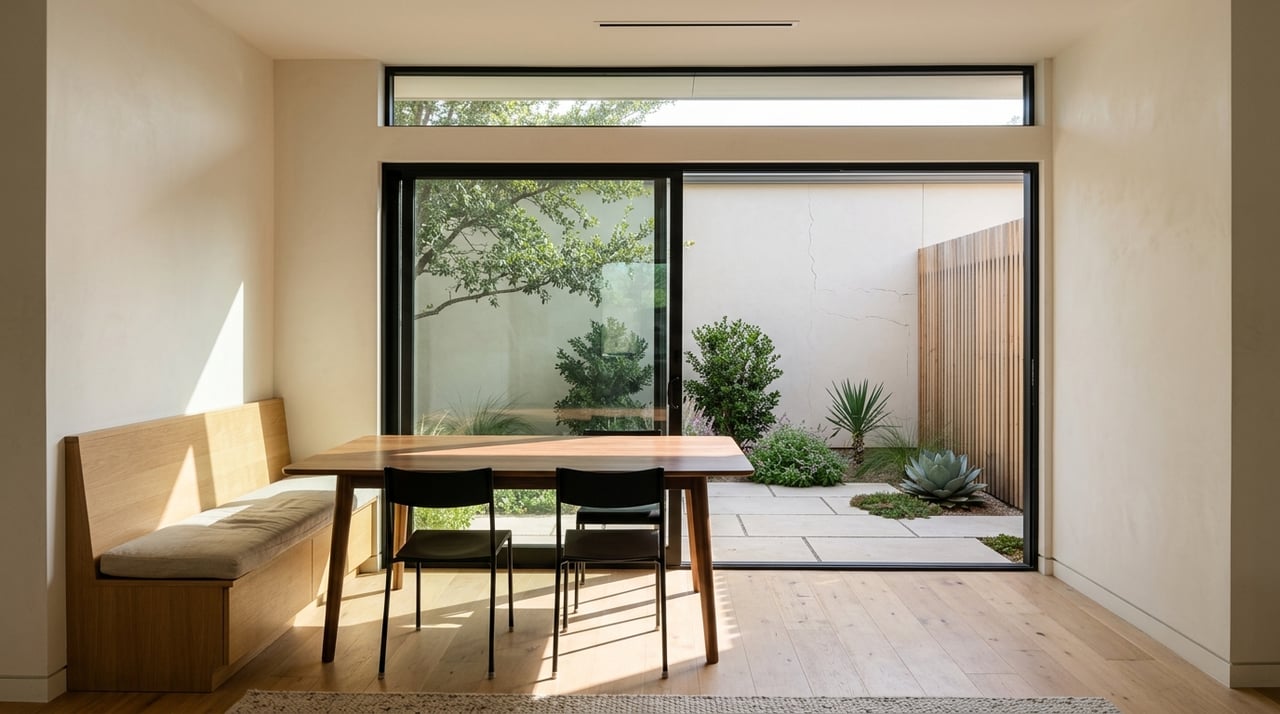
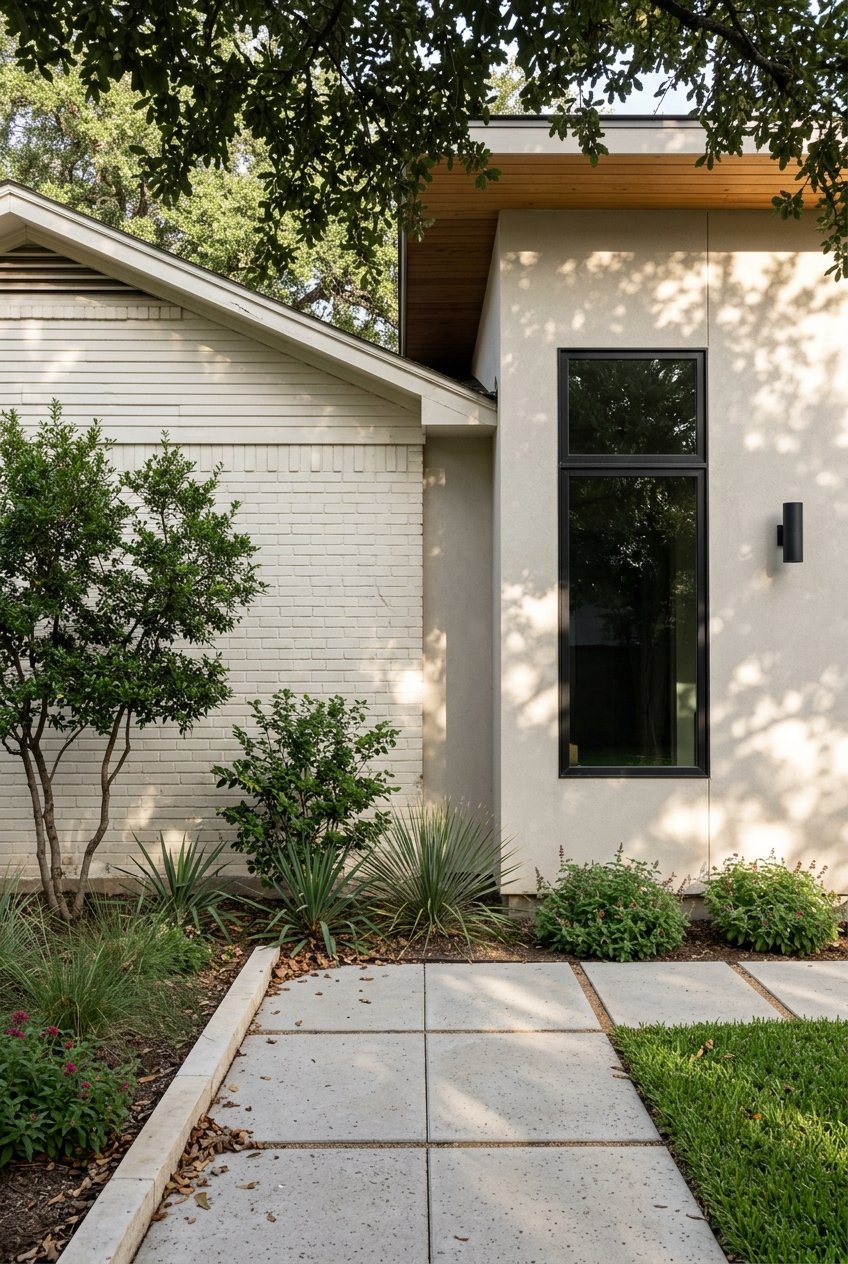
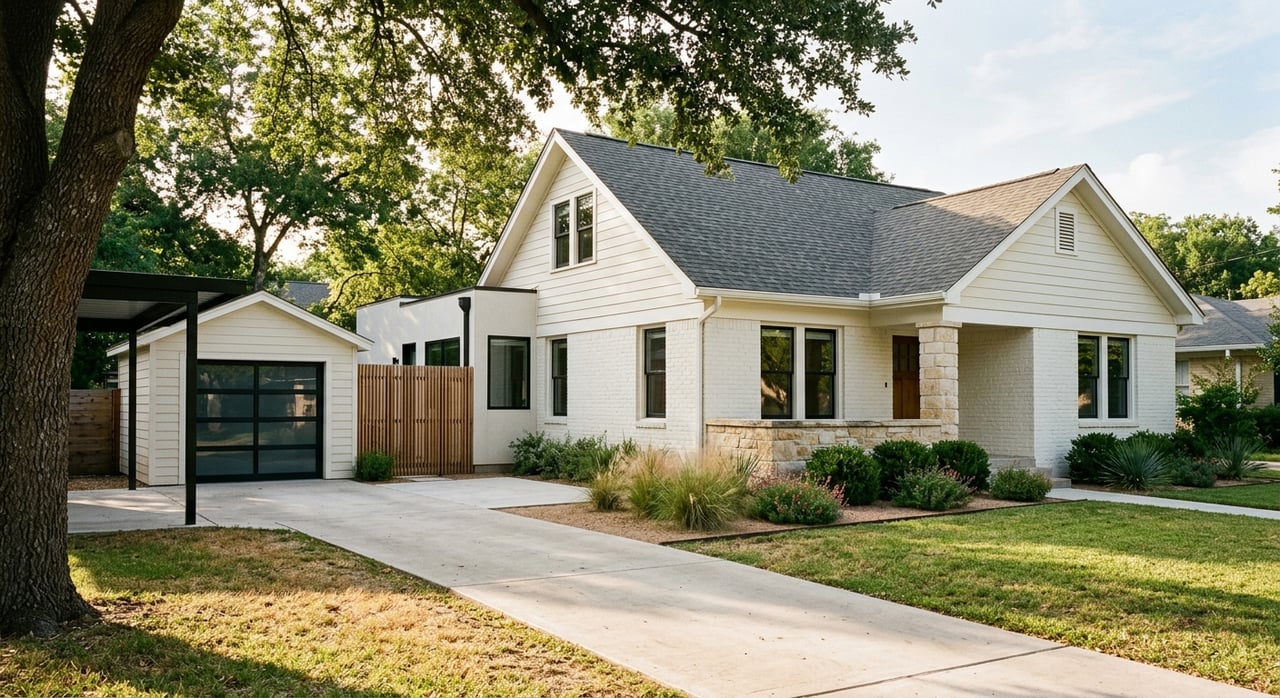
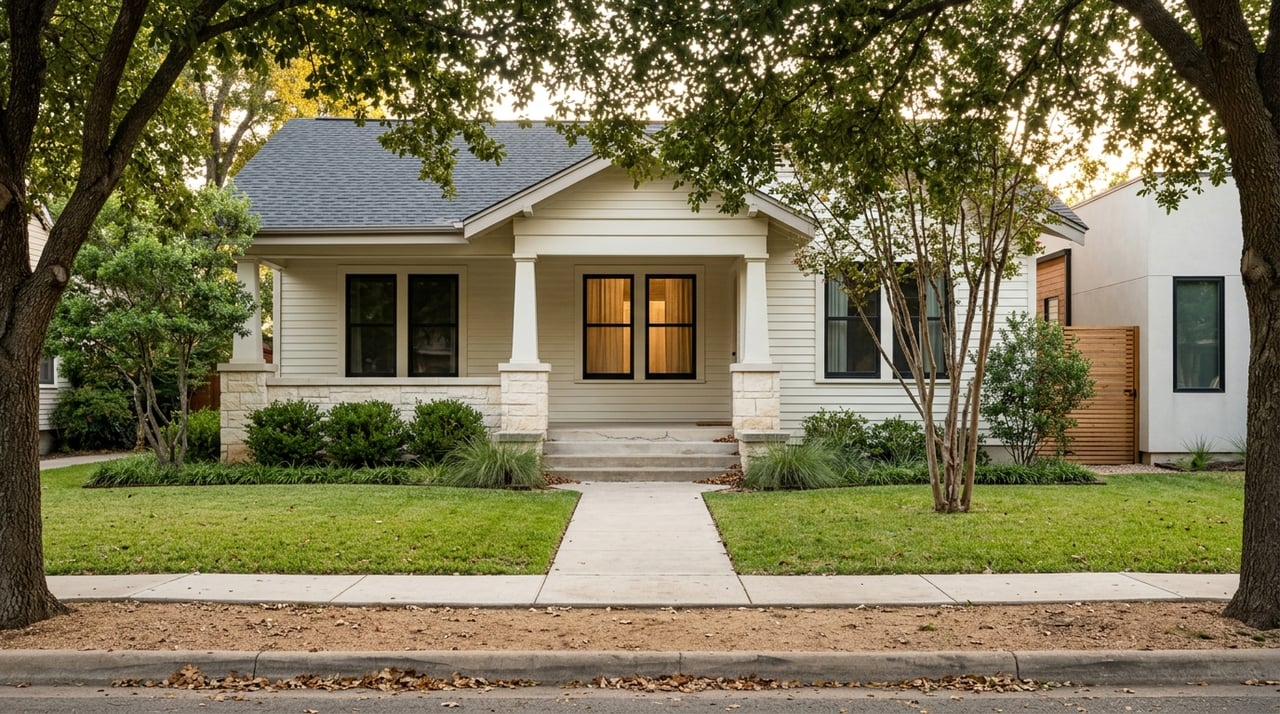
Preservation materials for the historic district point to a broad architectural mix that includes Victorian-era homes, Craftsman bungalows, Tudor Revival, Colonial Revival, Spanish Colonial Revival, Ranch, and Mid-Century Modern styles. Fairview Park began earlier, in 1886, and Travis Heights saw major homebuilding growth in the 1920s, when bungalows and cottages joined older Victorian homes.
For you as a buyer, that means the home search can feel more personal and more nuanced here. Some properties lean historic and charming, while others reflect later eras of design. The overall impression is a residential patchwork that has evolved over time.
The streets feel shaded and scenic
A lot of Travis Heights’ appeal comes from the landscape itself. The neighborhood’s hills, creeks, wooded areas, and mature yards create a setting that feels quieter and more tucked away than you might expect this close to central Austin.
That physical environment shapes everyday life. Walks tend to feel scenic rather than purely practical, and the older tree canopy gives many streets a settled, shaded atmosphere. If you value a neighborhood that feels visually rich and connected to the natural landscape, that is a big part of the draw here.
Outdoor living is part of daily life
Travis Heights makes it easy to spend time outside without planning a full weekend outing. Austin Parks and Recreation lists several nearby options that support a casual, everyday outdoor routine.
Big Stacy Pool at 700 E Live Oak St. is a free public pool, which is a standout amenity in a close-in Austin neighborhood. Little Stacy Neighborhood Park at 1500 Alameda Dr. adds a local park option, and Blunn Creek Nature Preserve offers hiking in what the city describes as a peaceful patch of nature tucked into the urban grid.
For many residents, that mix matters. You have smaller neighborhood-scale spots close to home, but you also have access to bigger city amenities nearby.
Lady Bird Lake expands your options
Just north of Travis Heights, the Ann and Roy Butler Hike-and-Bike Trail at Lady Bird Lake adds another major lifestyle benefit. The City of Austin describes it as a 10-mile trail along the water that passes neighborhoods and cultural attractions, and it sees more than 2.6 million visits each year.
If you like running, walking, biking, or simply getting outside before or after work, this nearby trail system adds a lot to the neighborhood’s appeal. It helps explain why Travis Heights can feel both residential and highly connected at the same time.
South Congress brings the energy
If the trees and creeks give Travis Heights its calm side, South Congress gives it its buzz. This corridor is one of the neighborhood’s biggest lifestyle advantages.
Visit Austin describes South Congress Avenue as pedestrian-friendly and full of boutiques, coffee, cocktails, and live music seven days a week. The City of Austin says the South Congress Business District runs from Live Oak to Riverside Drive and combines shopping, dining, people-watching, and views toward the Texas Capitol.
That means you can enjoy a quieter residential setting and still stay close to one of Austin’s most active urban corridors. For many buyers, that balance is exactly the point.
Live music and dining are woven in
South Congress is not just convenient. It also carries a strong sense of place. The corridor blends long-running Austin institutions with newer retail and hospitality additions, which mirrors the layered personality that Travis Heights itself has.
The Continental Club opened in 1955 and remains one of Austin’s best-known live music landmarks. C-Boy’s Heart & Soul at 2008 South Congress presents itself as a neighborhood juke joint centered on soul and R&B, while Güero’s Taco Bar at 1412 South Congress hosts live performances onstage.
Newer additions also shape the experience. Music Lane at 1011 South Congress adds more boutiques, restaurants, and hotels, and the corridor continues to receive formal city attention and investment.
Everyday convenience feels close at hand
What makes Travis Heights especially appealing is how these features work together. You are not choosing between nature and city access. You are getting a neighborhood where creeks, parks, and mature trees sit near one of Austin’s most recognizable shopping and entertainment districts.
That can make your routine feel easier and more enjoyable. A neighborhood walk, a swim at Big Stacy Pool, time on the Lady Bird Lake trail, coffee on South Congress, or an evening out for music and dinner can all fit naturally into life here.
Travis Heights suits buyers who want character
Travis Heights is often a strong fit if you are looking for more than square footage alone. The neighborhood’s value is tied to atmosphere, location, and the feeling of being in a part of Austin with a strong identity.
If you are drawn to historic context, varied architecture, outdoor access, and a location near South Congress, Travis Heights offers a compelling mix. It feels residential and established, but it also keeps you close to some of the energy that makes Austin distinctive.
What sellers should understand
If you own a home in Travis Heights, the neighborhood’s story matters. Buyers are often responding not only to the house itself, but also to the setting around it: the tree canopy, the hills, the architectural variety, the historic context, and the easy access to parks and South Congress.
That means strong presentation and clear neighborhood positioning can make a real difference. In a place with as much personality as Travis Heights, buyers usually want help seeing both the property and the lifestyle that come with it.
Travis Heights is ultimately about contrast in the best sense. It feels shaded, historic, and residential, yet it connects easily to trails, parks, dining, and live music. If that combination sounds like your version of Austin living, The Holm Team can help you explore Travis Heights with the local insight and high-touch guidance your move deserves.
FAQs
What is the overall vibe of Travis Heights in Austin?
- Travis Heights feels historic, shaded, and established, with winding streets, hillsides, creeks, mature trees, and a mix of older home styles near South Congress.
What kinds of homes are in Travis Heights?
- Homes in Travis Heights include Victorian-era houses, Craftsman bungalows, Tudor Revival, Colonial Revival, Spanish Colonial Revival, Ranch, and Mid-Century Modern styles.
What outdoor amenities are near Travis Heights?
- Nearby outdoor amenities include Big Stacy Pool, Little Stacy Neighborhood Park, Blunn Creek Nature Preserve, and the Ann and Roy Butler Hike-and-Bike Trail at Lady Bird Lake.
What is South Congress like near Travis Heights?
- South Congress is a pedestrian-friendly district with boutiques, coffee shops, dining, live music venues, and newer mixed-use destinations close to the neighborhood.
Is Travis Heights a historic neighborhood?
- Yes. The neighborhood association notes that Travis Heights has deep historic roots, and the Travis Heights-Fairview Park area was listed on the National Register of Historic Places in 2021.
Why do buyers consider Travis Heights?
- Buyers often consider Travis Heights for its character, varied architecture, mature landscape, outdoor access, and proximity to South Congress and central Austin destinations.